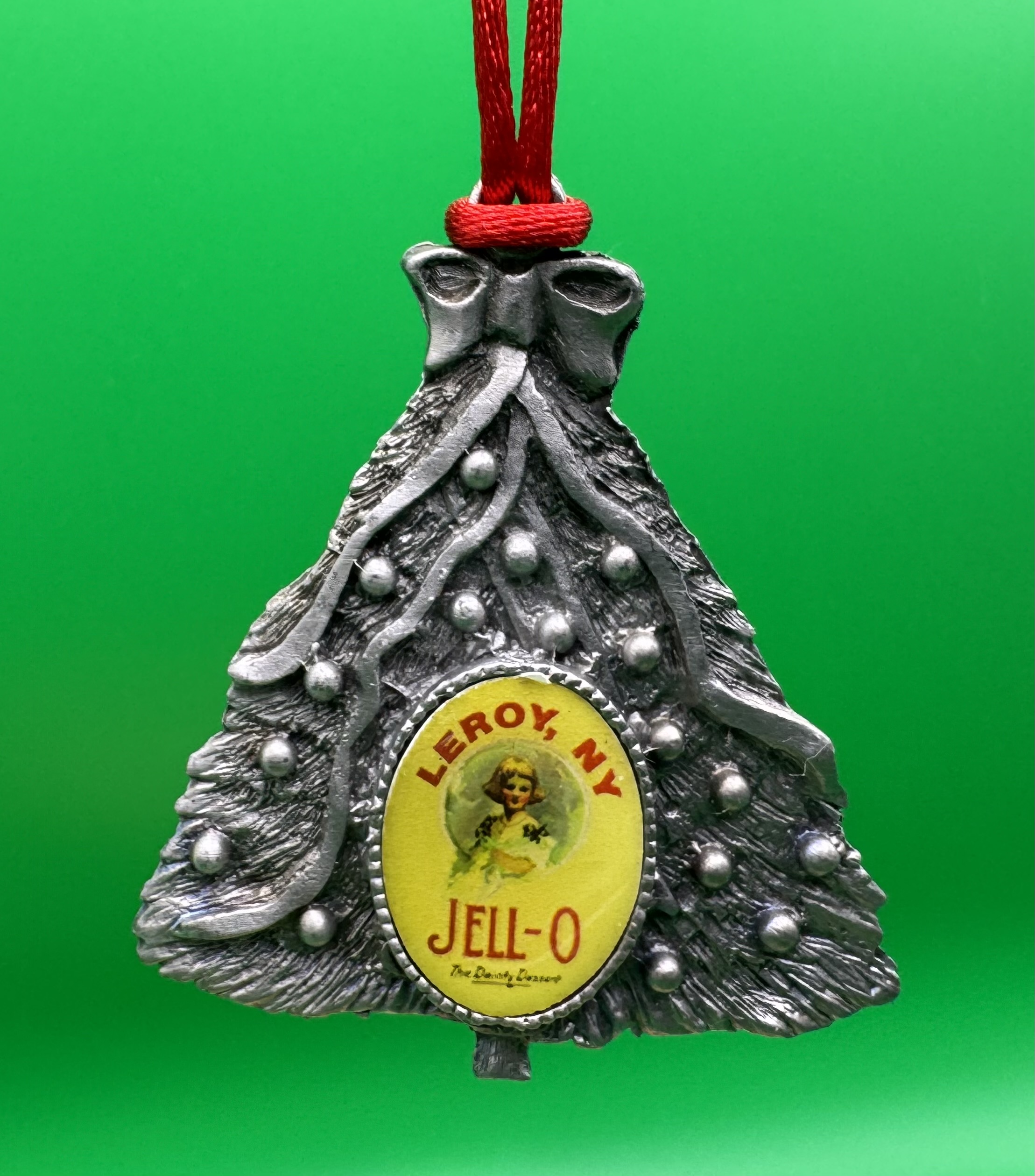
December 25th Christmas Day

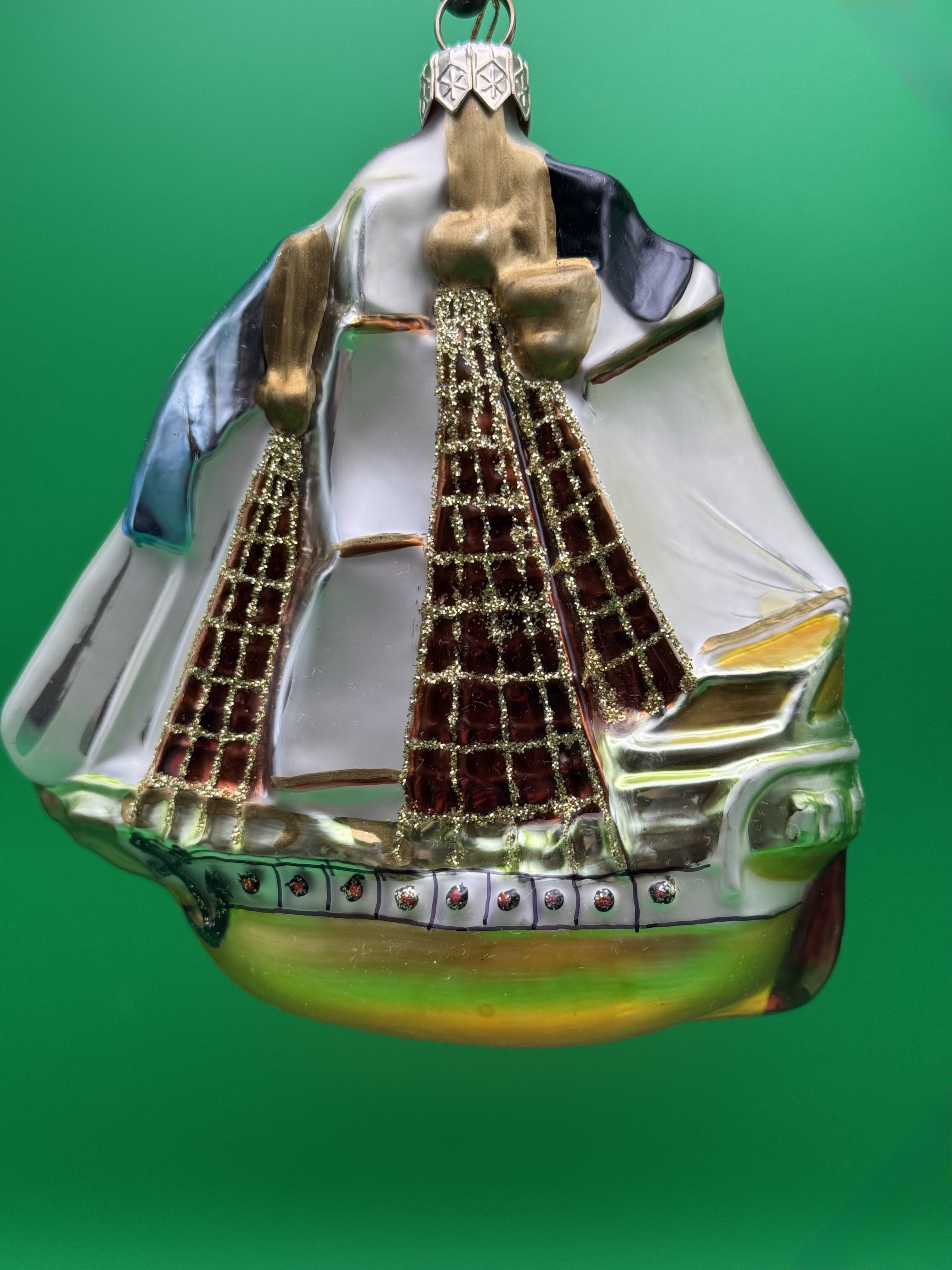
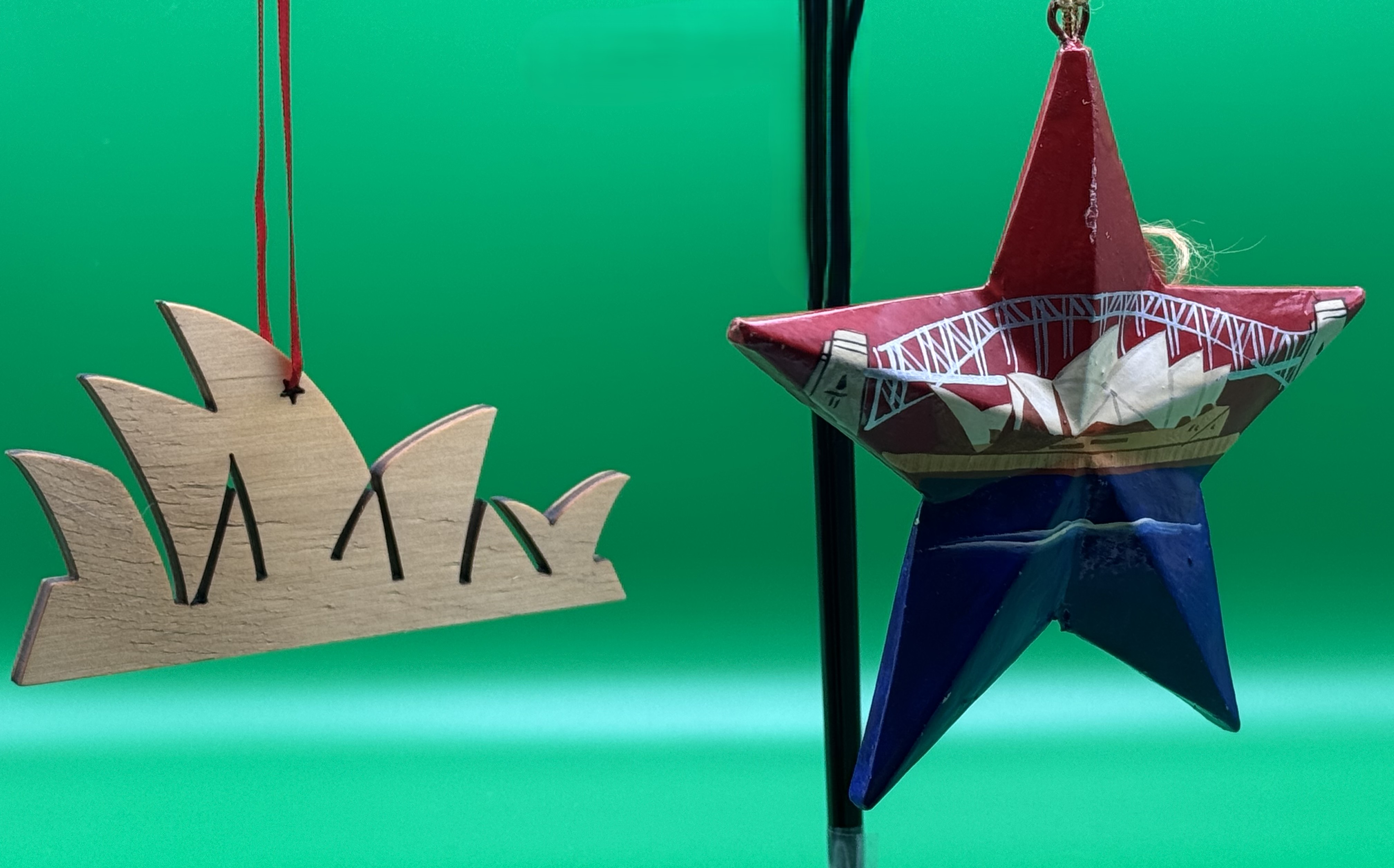
It is here! Christmas Day!!! For some of you, the morning may have started off early with eager young children anxious to see what has been left for them under the tree. For others it may have gotten off to a more leisurely start. However the day began for you, I hope that somewhere in the midst of the celebration, you take a moment to remember the reason we have Christmas in the first place. These ornaments came from various congregants over the years – seems a suitable gift for a Christian Chaplain. They remind us that the core of this holiday is a birth day, long foretold, anticipated, heralded by angels, marveled at by shepherds, honored by wise men. It is meant to be a day of joy, of connecting with loved ones and with heaven. I hope these things happen for you.

Maybe, though, this is a hard day. Perhaps there is loss, grief, disappointment or isolation. These aspects of the human experience are never easy, and the holiday season may increase the sharpness. I hope that you will encounter a measure of peace, that you might feel seen or heard. And I hope that all of us will be on the lookout for the stranger who might need room at the inn.

Perhaps this isn’t a religious holiday for you. That’s ok – we all find our own path for meaning. I invite you to be glad for those of us who celebrate this day as a holy day and take a moment to reflect on the stories and beliefs that add meaning to your life. Whatever this day is for you, may it be wonderful.

December 24th Christmas Eve

Well, here it is – Christmas Eve! Santa’s big scene. The night before Christmas, though generally through my house it is not as quiet as a mouse. It is often a busy day. This was especially true for the years when Layden served as a Chaplain.

Christmas is an interesting mix of pagan and religion, of secular and spiritual. There is a lot of fun to be had with Santa Claus, the anticipation of waking up Christmas morning to gifts that magically appear under the Christmas tree, the songs and stories inspired by Saint Nicholas. I enjoy the traditions associated with Santa, which is one reason why I took the time and effort to embroider these Santa and reindeer ornaments.

But, there is also the other side of Christmas, the story of the birth of Christ, without which Christmas as we know it wouldn’t exist. As we served in the Chaplaincy, the time leading to Christmas was filled not only with Santa, decorations, and Christmas cookies, but also with the Advent Sunday services, prayers at the lighting of the on-post Christmas tree, toy drives, food collections, and other community events. My favorite of these was the Christmas Eve Candlelight service, held of course, on Christmas Eve. It was usually a fairly short service, focused on the telling of the birth of Christ, a brief sermon to remind us of the deeper meanings of the season, and singing Christmas carols. At the end of the service everyone received a white candle with a paper collar (for catching the drips of which there were a lot). The chapel lights were turned off . We sang Silent Night as the ushers walked down the nave lighting a candle at the end of each row, the light then being shared with the next person and the next, until the chapel was filled with gentle flickering light. It was lovely. It was peaceful. It was a time to reflect. But, most of all, it was a reminder of the power of light in the darkness, and the magic that happens when we share our light with each other.

This ornament that we found at a German Christmas Market looked remarkably like the chapel on post in Mannheim where we were stationed at the time. When we hang it on the tree it reminds us to slow down, remember, and share the light.

December 23rd

When I was in college, one of the ways I earned money was to sell Avon. This is when it was a door-to-door operation. About every two weeks I would get a stack of the current catalog along with samples of new cosmetics and other products. I would walk my assigned area, giving out catalogs, sharing samples, and showing specialty products which during the Christmas season always included an ornament. I would take orders, submit them, wait for the shipment, and then deliver the orders along with the newest catalog. I got paid about 40% percent of the total dollar amount I sold. From that was deducted catalogs and products for demonstration, which I had to pay for myself. Even with that, I was able to make a reasonably fair amount of money – slightly better than minimum wage – while having complete flexibility to schedule my work hours around my classes. It was actually quite enjoyable to meet my customers and get to know them over time, a much more personal experience than shopping on line.

This ornament was issued in 1982. It originally sold for about $3.00, in keeping with the Avon promise of affordable quality. In today’s dollars, that would be about $10.00, which is what this ornament, now a collectible, sells for on platforms like eBay and Etsy. It has long been a favorite, especially with the children, who were intrigued by the whole idea of the mouse in the mirror.

December 22nd

Two More

When Layden and I were young children we would wait impatiently for the Christmas specials to air on TV. At the time there was no such thing as a DVD or a video tape, and certainly no streaming. Most of the country had 3 television channels: ABC, CBS, and NBC, and usually a local carrier for a Public Broadcasting station. Christmas specials aired once a year on one channel, and if you missed it, well – you would just have to wait til next year. Two of our very favorite Christmas specials were A Charlie Brown Christmas and Rudolph The Red-Nosed Reindeer.

Rudolph first aired on December 6th, 1964 on NBC. It was made using Animagic, which at the time was a complex and sophisticated process of stop-motion animation. The filming was done with puppets and shot frame by frame, moving the puppets just slightly each frame to create the illusion of movement. The special took 18 months to complete. The show was an immediate success and has become a holiday classic. Songs from the show, such as Holly Jolly Christmas, have become part of the Christmas repertoire.

The Charlie Brown special first aired on CBS December 9th, 1965. This whimsical yet serious show has become a beloved Christmas classic. In this story, Charlie Brown has his usual string of challenges and failures, but the story is redeemed when he learns what Christmas is all about. Made using traditional cartoon animation with a jazz soundtrack by Vince Guaraldi, it was a low-cost production, completed in about 6 months. The show was initially rejected by CBS who worried it would take away from their regular viewing audience. However, the Coca-Cola company, who commissioned the show because they wanted a family-friendly Christmas special, also sponsored the show and persuaded CBS to take a gamble. It was an instant success and by 1968 was being aired internationally.

These two ornaments remind us of the anticipation we felt during the Christmas season, which certainly seemed much longer when we were children than it does now.

December 21st

Two for One

Today is the 4th Sunday of Advent, represented by the angel, and also the Winter Solstice, represented by the sun. The angel is a clay-fired ornament with white glaze and hand-painted details. Originally made in Mexico, I picked this up in Santa Fe, New Mexico at a shop called Jackalope Pottery. Years ago it was a quirky little shop tucked along Cerrillos Road that sold mostly pottery and other items imported from Mexico. Now it is a much larger store that carries a big inventory of multiple items, much of which is aimed at the tourist trade. I prefer the old shop with its cobbled-together rooms and cozy, welcoming feeling. This angel reminds me of a much less crowded and developed Santa Fe, and is a reminder that more is not always better – a good thing to keep in mind this time of year.

The sun is from the other side of the world. We found this in a shop just outside Bolesławiec (pronounced “Boh-le-swav-yets”), a city famous for blue and white Polish pottery. While we were stationed in Germany, Layden and I and several friends piled into our mini van and made a long day trip to the city. It was a bit of an adventure because the pottery was gaining in popularity, which meant tour buses, which meant lots of people crowding in. We did our best to get to shops before or in between buses. It became a bit of a game which we called “Beat the Bus.” At the end of the day as we were headed home, we saw a shop that specialized in glass ornaments made in the traditional “Old World” fashion. These ornaments are made of glass blown in to molds. The insides are coated with shiny silver paint which adds depth and lustre to the designs painted on the outside. These are sometimes called mercury glass because the inside coating used to be made from silver nitrate – shiny but highly toxic. This sun got dropped once, breaking a few of its rays. We put cotton balls in the broken spot to resemble clouds. Now when we put it on the tree, we remember that sometimes unfortunate things happen and things are not always sunny, but that doesn’t mean we should give up.

Of interest: The Winter solstice marks the longest night and the shortest day and always happens near Christmas. It was a very important pagan festival, still celebrated in many places today. The occasion is observed in different ways depending on where in the world you are, but most include feasting, dancing, and merrymaking, all accompanied by a lot of light in order to beckon the sun to return. The tradition of burning a yule l0g is one solstice celebration that became part of Christmas tradition.

December 20th

This is a string or garland of Danish flags, called danneborg (dan-a-bro, which translates to Danish cloth) Traditionally these are made of paper and are the last decoration to be placed on the Christmas tree. The use of flag garlands began about 1848 during the 1st Schlesvig war when they were placed on the tree to show national identity. During the Christmas season strings of flags for purchase are in almost every shop and store in Denmark, but not so much in the US. Lucky for us, we found these wooden ones in Copenhagen that can be used year after year. In keeping with tradition they are the last thing we put on our tree.

Legend has it that the first Danish flag was a gift from heaven in the late 1200’s. It became the official flag in 1854, though at the time could only be flown by royalty. The “swallowtail” design (like the ones pictured) were initially used on naval vessels and merchant ships. The Danish flag design of a white cross on a red backdrop has remained unchanged since its introduction. It is one of the oldest flags in the world.

December 19th

Danish Christmas Heart

This ornament is made out of red and white paper woven together to form a small basket or envelope. They are a tradition in Denmark, most often made by families to decorate their tree. They are usually filled with candies or other small treats. Layden remembers making them in Denmark with families at Christmas time. He lived there for 2 years serving as a missionary for our church. Christmas in Denmark is much less commercial than the US. The focus is more on spending time with family and friends than it is on gifts. Nights are long and dark in December, and bitter cold. Gathering together near a fireplace or lighting candles creates an atmosphere the Danes call “hyggeligt” (hue-ge-leet). The closest word in English would be cozy. The main celebration is Christmas Eve. There is a traditional Christmas Eve service. On returning home, children are delighted to find that Julemand (Yuleman, the equivalent of Santa Claus) has visited and left presents. There is also a big family meal with traditional foods like roast pork, boiled potatoes with brown sauce and sweets made of marzipan.

Of interest: Christmas trees in Denmark are usually fresh and put up just a few days before Christmas. Traditionally they were lit with small candles clipped to the branches, but now the candles are electric. The tree is placed in the center of the room so that once it is decorated and lit, everyone can join hands to dance around it in a circle while singing carols.

December 18th

These ornaments are among our very favorites. Our oldest daughter, who continually amazes her Dad with her talents and generosity, helped her children make these snowman ornaments for us. Each snowman is actually the handprint of one of our grandchildren! She got some paint and some plain ornaments in various sizes. She had each child dip a hand in the paint and then press it around an ornament. Each finger and the thumb, embellished with buttons, hats and happy faces, became a snowman. Very clever!! Also, a great keepsake. We felt very honored to receive these, and are mindful of the effort and energy it takes to make a gift like this, and then to wrap them, package them, and send them all the way to Hawaii, where we were stationed, far from snow and family. I imagine that there was more than one re-do. I also imagine that there might have been paint in other places besides the ornaments…

What I like best about these is that each ornament carries the imprint of an individual child, full of potential and the capacity to use his or her hands to do much good in the world. It was a great gift to receive, especially while we were stationed far from family. It brought them a little closer. It still does, even though all of the grandchildren have hands that are bigger now, and there are a few more that joined the family since these were made. When we hang these on the tree we feel grateful for each of our children, for their children, and for being connected even when separated by geography.

December 17th

Another bird tale:

The Black Forest region of Germany, (part of Bavaria, southeastern Germany) is famous for producing cuckoo clocks. They are made in all sizes, some very simple and some ornately carved and painted. No matter the size, they all include a little wooden bird that pops out of a door and sings “cuck-oo” – one for each hour on the clock. The sound mimics the song of the cuckoo bird, which are regular inhabitants of the region. The clocks are quite charming and also an important part of the economy of this area.

As part of his Chaplain duties, Layden was responsible for leading marriage retreats. At the time military had a hotel and recreation area on the shore of Chiemsee, a large freshwater lake in Bavaria, which was ideal for these retreats, so we got to make several visits to the area. In between workshops, we would go for bike rides or walks in the Black Forest. One day as we were walking we heard “cuck-00 cuck-oo” and thought we must be near a small village with a town clock. We thought 2:00 was a good time to stop for something cool to drink. A couple of minutes later, we heard the song again, and then it was answered by the same song but from a different direction. It took us a few minutes to realize that we were not hearing clocks. We were hearing birds! We began looking for them but never did spot one. They are shy and tend to perch and roost in dense, high tree canopy so they are more often heard than seen. Remarkably, the clocks – at least the good ones – mimic the call of the cuckoo with great accuracy. That explains our initial confusion, but we do still feel a bit silly and have a good laugh when we hang this glass clock on the tree.

Interesting observation: As a child, I loved the story of Hansel and Gretel but I thought they must not be very smart to get so lost in the woods. I grew up in New Mexico where the arid climate does not foster dense stretches of trees. The forests have a lot of open spaces and even in clusters of trees there is quite a bit of light that reaches the forest floor. My first time to experience the Black Forest was on a bike ride. On a sunny afternoon we rented bikes in a small village and headed out towards a small village about 10 kilometers(6 miles) away. Very quickly we found ourselves enveloped in gloom. There were so many trees! The spruce, fir, and pine grow thick and close together. We couldn’t see the sun. It was nearly impossible to determine direction – everything looked the same. We were completely disoriented and completely reliant on the path. Fortunately it was well-marked and we did not get lost. This experience caused me to re-evaluate my opinion of Hansel and Gretel – they were not as dumb as I thought! Also, it made me wish that I could find a gingerbread house in the woods – with no witch.

December 16th

Northern Cardinal

We picked this ornament up while we were living in North Carolina while we were stationed at Fort Bragg. We transferred there from Hawaii. It took a while to get adjusted because we loved Hawaii, but we learned to appreciate our new surroundings, especially the cardinals. They are one of our favorite birds and we were happy to learn they were year-round residents of the area. The bright red of their feathers were beautiful against the green of summer, and stunning against the snow in winter. Growing up in New Mexico, I rarely saw cardinals. Layden saw them from time to time in California. In Utah cardinals are rare visitors. I can think of seeing them there only one or two times. Having them in abundance in our new home was a delight, but the best part of that duty station was being close to family. One son and his family were stationed in Norfolk, Virginia and a daughter and her family were in Pennsylvania, both close enough to drive. When we hang this ornament on the tree we remember what a delight it was to spend time with family often and get to know our charming grandchildren.

Fun fact: A bird that is a rare visitor to an area is often referred to a as a vagrant. A vagrant is a person without a settled home or regular work who wanders from place to place and lives by asking for money or food. It is fun to imagine these birds as tramps or hobos, even though they are not truly vagrants – they are just passing through on their way to someplace else.