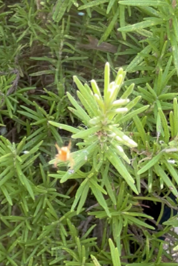
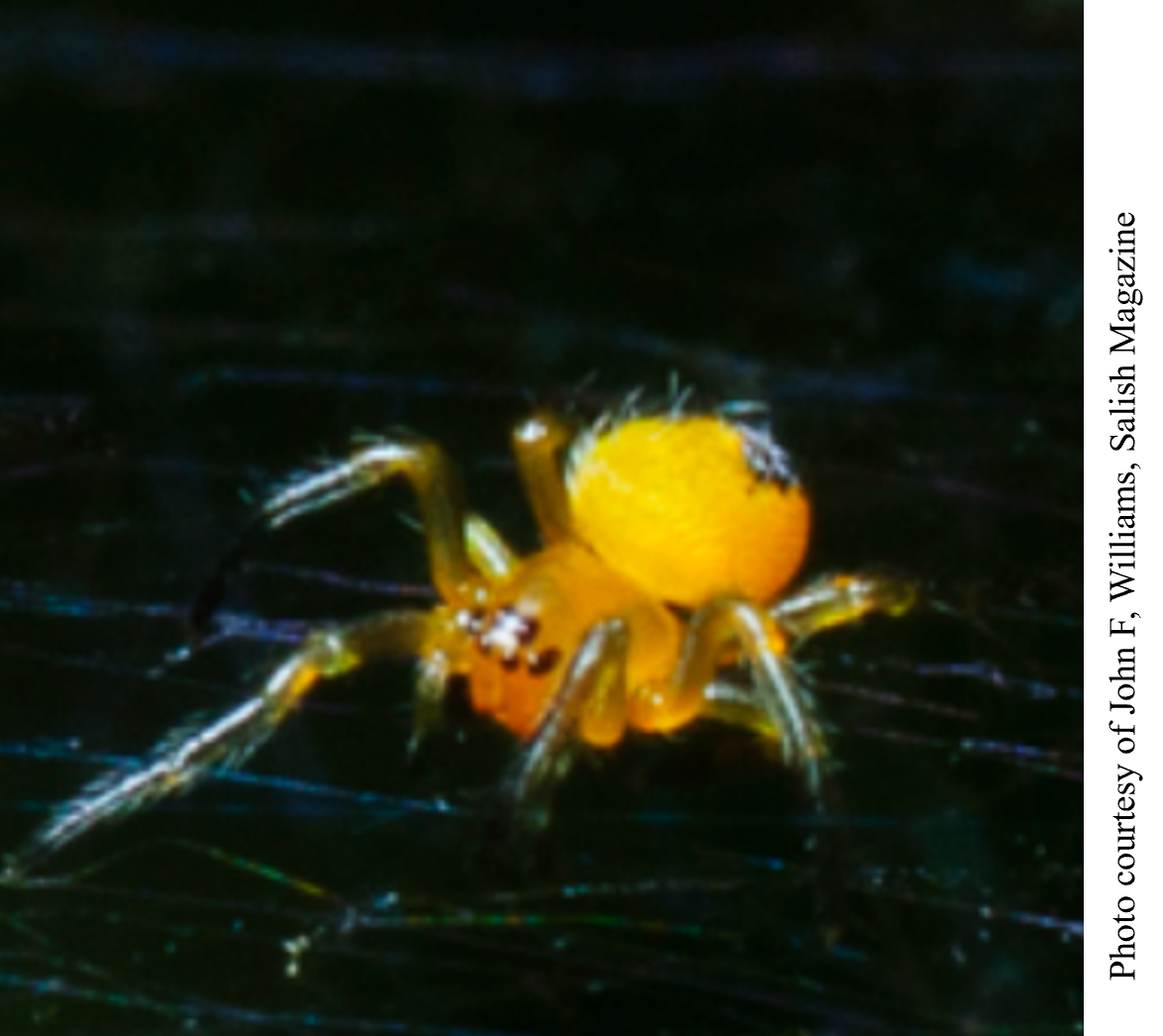
If the small, delicate, near-perfect web hadn’t momentarily glimmered in the sun I might have missed it, and missed the tiny tiny yellow spider in the center. Apparently, though I never found it, “my” impressive Argiope Auranthia made an egg sac and it hatched what I imagine would have been a swarm of spiderlings. Three are residing on my rosemary bush. They are fast-moving and very skittish. I found them quite hard to photograph. If I got close enough to get them in proper focus they disappeared, petite enough to hide under a single slender fragrant leaf. I watched them for over an hour, fascinated at how adept they are and how miniscule-smaller than a single grain of rice. Yet, they know how to spin a perfect web and how to wait patiently for their even smaller prey. Whether you see it through the lens of science, the designs of God, or both, it is all rather astonishing magic. Such a little package for so much awe and wonder.
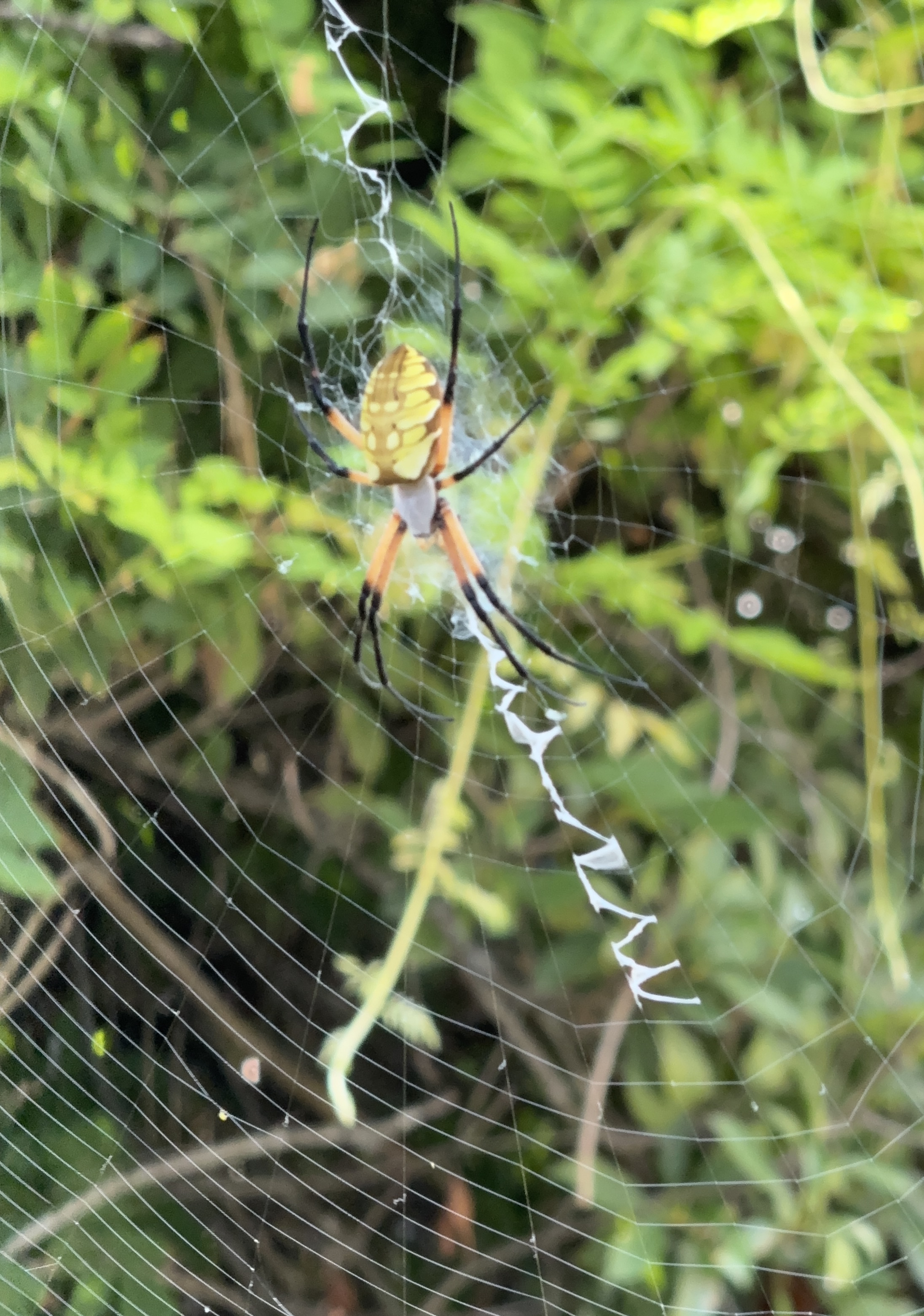
Heading to the garden to pick cucumbers one morning in August I found her, tranquil in the center of her elaborate web, comfortable on the intricate stabilizing design which has earned her species the moniker of Writing Spider – Charlotte’s Webb, anyone? Despite my fondness for that charming story, I do not find spiders particularly alluring. I do try not to kill them unless they have venom harmful to humans and have encroached on what I consider my space, but otherwise I mostly allow them their place in the ecosystem without much thought. This one, however, is hard to miss. Her body is over an inch long and her leg span more than three inches. The web she maintains between my cucumbers and my young live oak tree is almost three feet in diameter.
I am not sure where she came from – there were no posted warnings like “Coming Soon to a Garden Near You” or “Scary Spider Ahead” – and she does look kind of scary. My logical brain told me “garden spider not harmful to humans” but my lizard brain said “whoa – big big spider! ” I listened to the lizard brain and stopped what seemed to be a reasonable distance away. Gradually I allowed the logical brain a chance to move me close enough for pictures, for the chance to see the intricate patterns on her abdomen and her back, to note the elegance of peach legs -all eight – that looked like they were wearing long black evening gloves, and how soft the silver-gray “fur” on her head looks.
I look for her every morning since that first encounter. Her web is pristine – she re-weaves any damaged places immediately, and sometimes whole sections. She is fast and agile. She is quick to secure any insect caught in the web. Some she eats immediately. Others are wrapped carefully in silk and stashed on the web. I think these are going to be the pantry for her egg sac. I haven’t seen one yet, but eventually, should she find a mate this fall, there will be one. I have forbidden the guy who cuts the lawn from going anywhere near the web – instruction reinforced with a couple of unused trellises and fluorescent tape that makes that corner of the garden appear to be a crime scene. He thinks I am nuts but he humors me.
This kind of spider can live up to a year, or even a bit longer. She has undoubtedly had a series of webs, each getting bigger as she grew. Her size is that of a mature female so I imagine she is much nearer the end of her life cycle than she is the beginning. She has been in this spot for a couple of weeks of hot, humid, dry weather. We are expecting an evening storm today. I don’t know where spiders go when it rains. I don’t know where she might go if her web is tattered. Will she rebuild in the same spot or move someplace else? If she moves will I find her again? See her egg sac? Seee a swarm of baby garden spiders? I don’t know.
I know that one morning I will arrive at an empty web. And I also know this: Life is precious and wild and beautiful and sometimes scary. It is full of wonder and surprise. It is full of things that are worth protecting. It is full of the possibility of loss and also the possibility of joy, often in the most unexpected places.
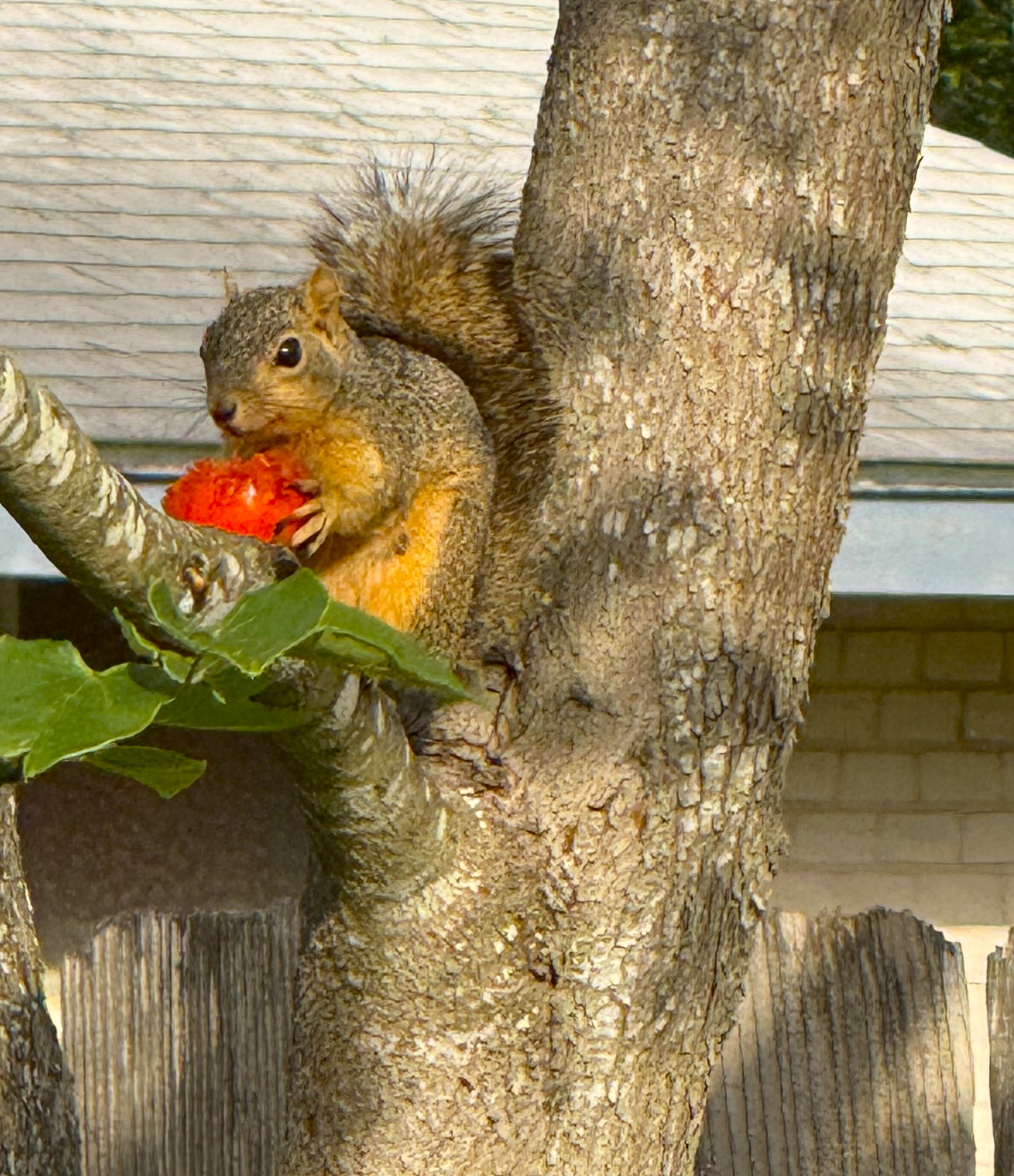
We have a charming thief in our backyard. It has discovered my tomatoes are a wonderful thing to carry off and feast on in the safety of trees. It looks so delighted and, I think, slightly smug. This would all be quite enchanting if I didn’t mind losing my tomatoes, but I do. Afterall, I prepared and nourished the soil, planted them, watered them, sheltered them from wind and chill and watched over them so that we could eat them. To deter the rascally robber, I put netting over the plants. My tomatoes now ripen undisturbed. They are quite tasty and I am happy to have them, but I think about the squirrel and how disappointed it must be to lose out on its garden-fresh smorgasbord. I think that I will leave one for it from time to time. Abundance ought to be shared.
Between the 1st and the 5th of April 2026, three notable events occur. In this span of time we mark the launch of the Artemis II moon mission and central holidays of both Jewish and Christian faiths, Passover and Easter. These events, though seemingly disparate, have something in common. They all involve journeys into the unknown.
The Passover story, where, through divine intervention, the Hebrew slaves were released from bondage to the Egyptians, is often celebrated as a story of freedom, but the exodus from Egypt is also a journey into the unknown. An entire group of people sets out into a wilderness where they have never been, following a man, Moses the prophet, whom most of them have never met, who they trust to lead them to a promised land of milk and honey, free from oppression.
Easter is the culminating event of the story of Jesus Christ, the central figure of Christianity. Despite a miraculous birth, Jesus spends the next 30 years living an ordinary life. It is only in his last three years that he moves out of obscurity into the public eye. Beleaguered by the ruling clergy, he gathers an increasing number of followers willing to risk the journey into a spiritual unknown. His ministry culminates in his crucifixion and then his miraculous resurrection on Easter morning.
Artemis II is not the first moon launch – that was in 1968 with the Apollo 8 mission that orbited the moon 10 times before returning to earth. It was followed in 1969 by the first lunar landing. The last NASA moon mission was in 1972 – more than 50 years ago. Astronauts have visited the moon before, and this mission has been plotted and mapped to the nth degree. But its trajectory will take the tiny capsule and its four crew members deeper in space than any humans have gone before, another journey into unknown territory.
These three events have other things in common – clouds, fire, and faith. The Israelite’s way forward is marked by a pillar of cloud by day and of fire by night which they follow with faith that it will lead to the Promised Land. Forty days after resurrection, Jesus, with a radiance like the sun, is lifted by clouds of glory into the heavens, leaving his followers to walk by faith instead of side by side. Artemis II, with faith in math, science and engineering, was lifted on its own column of fire and glorious clouds as it, too, made its way heavenward. What about us? The ones who didn’t know Moses, who didn’t experience the mortal ministry of Jesus in the flesh, who are not and likely will never be astronauts hurtling through space. How do we navigate the unknowns that await us? In who or what do we place our faith? Where are our pillars of fire? Our clouds of glory? What will we do when we find them
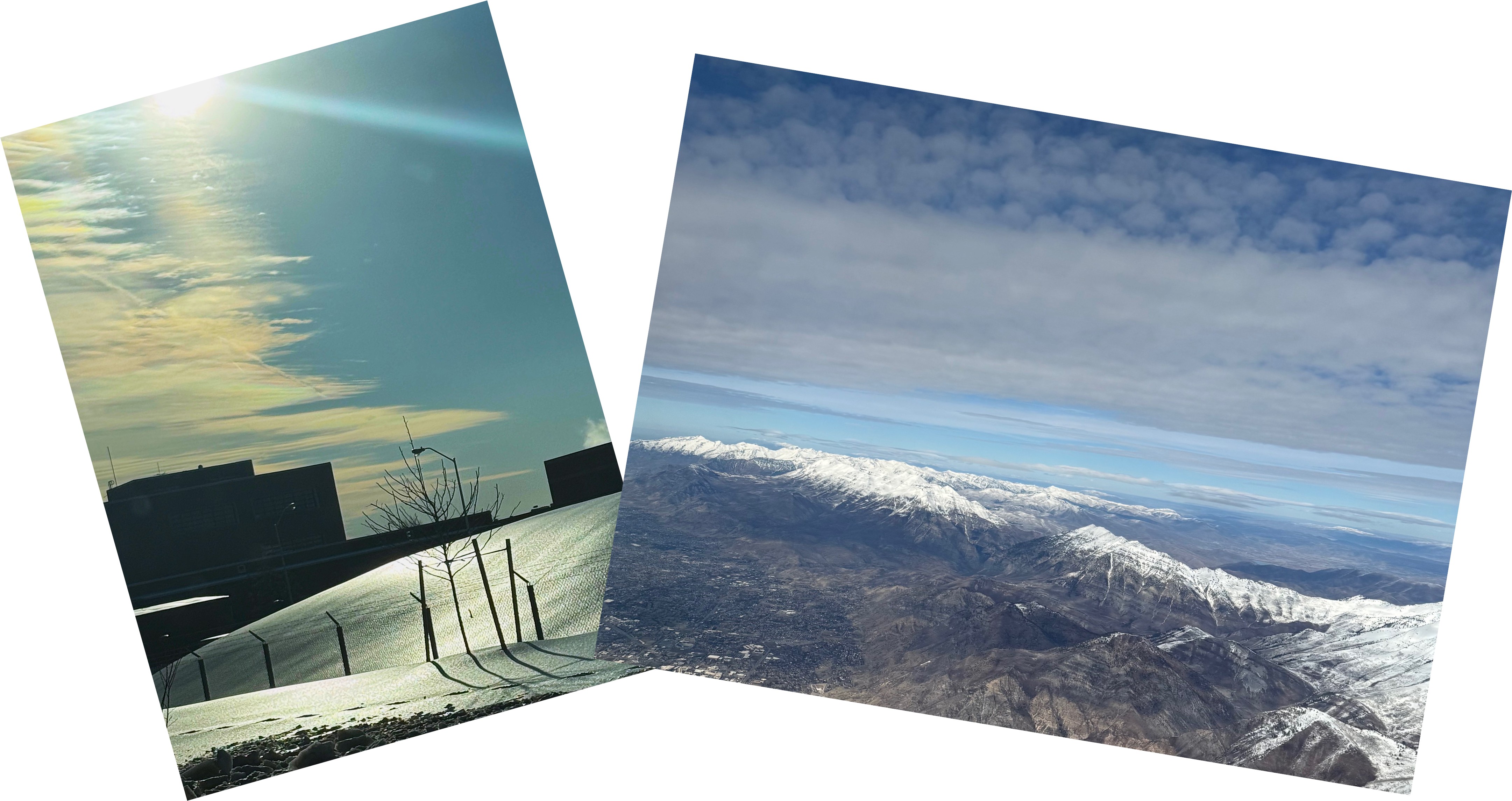
I spent most of the month of February travelling. The first trip was to Washington DC for a conference. I arrived just after a colossal January storm that dropped feet of snow followed by sleet and freezing rain. The landscape looked like amusement park fiberglass snow constructions – hard and smooth with a glittery sheen. The streets were thick with ice and very slick, narrowed by piles of displaced snow, and the sidewalks treacherous.
Following this trip, I went to Utah for my father-in-law’s funeral. Flying in to Salt Lake City from Texas takes a route over the Rocky Mountains. In winter the view through those small airplane windows is usually of thickly frosted peaks, valleys where rivers cut icy paths through snowpack, and ski lifts and runs criss-cross hillsides above teeming ski resorts.
But not this year. The snow was sparse, looking more like late May than February. Too much rock and pine, not enough white. Weather can be capricious. Fluctuating climate cycles seem indifferent to the havoc they wreak. Some places the wet soil groans under the weight of too much while in other places it is shriveled, cracked and desperately thirsty.
Life, too, can feel equally capricious. My father-in-law, for example, lived a long life – 93 years. He served in the Marines, raised a family, had a successful career which included the chance to work on space shuttle construction, and then retired and spent time hiking, advocating for environmental protections, and serving his church and community. It was a good life until the slow, cruel erosion of Alzheimer’s, which went on for well over a decade, his life piled around him in frozen drifts, his mind impassable. His death was a relief for us, knowing he was finally released from that implacable prison, our grieving having been done years before when he could no longer recognize his own son. His funeral felt like the long overdue remembrance for a man we had lost long ago.
In contrast, the loss of a dear friend was unexpected and unwelcome. Diagnosed with cancer a number of years ago, she was determined to shepherd her son through late adolescence and high school graduation, which she did with grace, joy, and time to spare. She continued to work at a job she loved from which she reluctantly retired only after the cancer recurred. Once again, her optimism and determination came in to play as she continued to focus her life on family, friends, and a collection of charming hats. Her prognosis was good. Her future filled with gardening, lunch dates, concerts, museums, and travel plans. Until, all of a sudden, it didn’t. She passed away the same week of my father-in-law’s funeral, a few days before her birthday.
Since I was already going to be in Utah the day of her birthday, I had planned to surprise her with gifts, flowers, and lunch at her favorite restaurant before flying back to Texas. Instead, I returned home, the unopened gift bag tucked in my suitcase. Ten days later I went back for her funeral. As such things go, it was good. For those of us who had been colleagues as well as friends, it was a reunion of sorts, a drawing together of parched souls around a well of tender remembrance for a woman we all cherished and whose absence we keenly feel.
The gift bag sits on my shelf now, the cracked soil of my grief not yet ready to give it up. Why some of us get more years than we need and others get far fewer is an unyielding mystery. It feels as capricious as weather, and impossible to predict. None of us are guaranteed a tomorrow. What we have is right now – this moment. What will we make of it?
“Tell me, what is it you plan to do with your one wild and precious life? “*
I love autumn! The colors, the crisp cool air, fields of pumpkins, harvesting the bounties of summer both tangible and intangible. But, I live in South Texas, where fall colors are found mostly on the artificial maple leaves I drape over my fireplace mantle and crisp mornings mean a welcome drop in humidity and somewhat cooler temps, but not exactly the fall I crave. It is hard to find a field of pumpkins. So, this seemed like a great opportunity for a road trip to visit my brother who lives at the foot of the Rocky Mountains in Colorado. It is a long drive – over 860 miles – and a slow but steady increase in elevation from 650 feet to 6,000 feet above sea level. The change is gradual. The prairies are vast and the sky endless. It takes about 9 hours for the mountains to appear on the horizon line and almost ten and a half to reach them in Raton, New Mexico, where they all of a sudden loom large as we ascend Raton Pass and cross into Colorado.
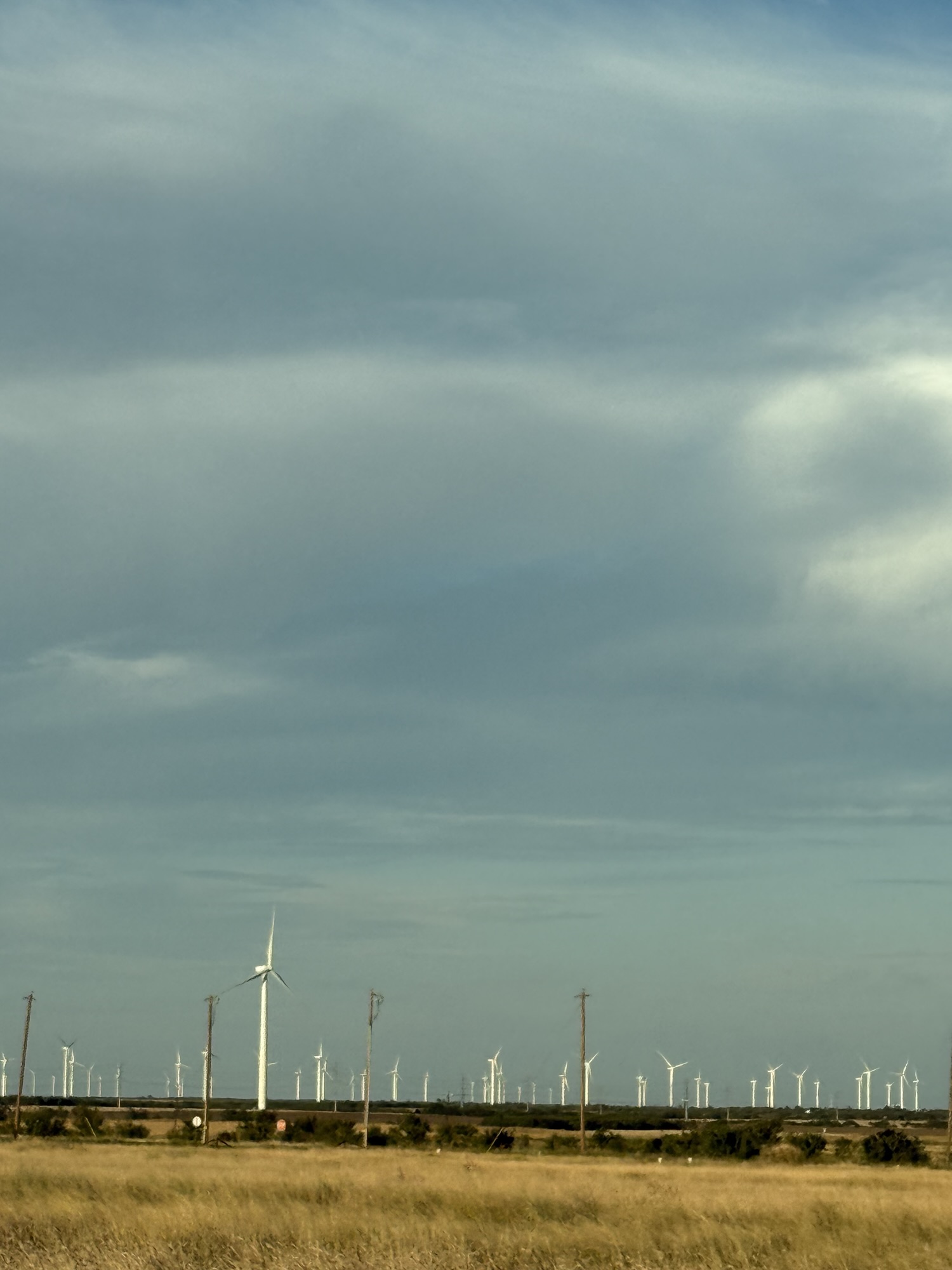
We chose to make the drive in a leisurely fashion over two days in October. I had lots of time to anticipate hillsides dotted with gold-leaf aspens, low humidity, and maybe a pumpkin patch or two as we drove across miles and miles of Texas prairie. I have often made this drive in summer, which is hot, dusty, and seems featureless. This time it looked more interesting. Perhaps it was the slant light of fall which made the sky look bluer and the remaining crops greener. Whatever it was, I saw a particular beauty that I don’t remember seeing before. There was a windmill farm that stretched for miles, white sentinels against a greying sky.
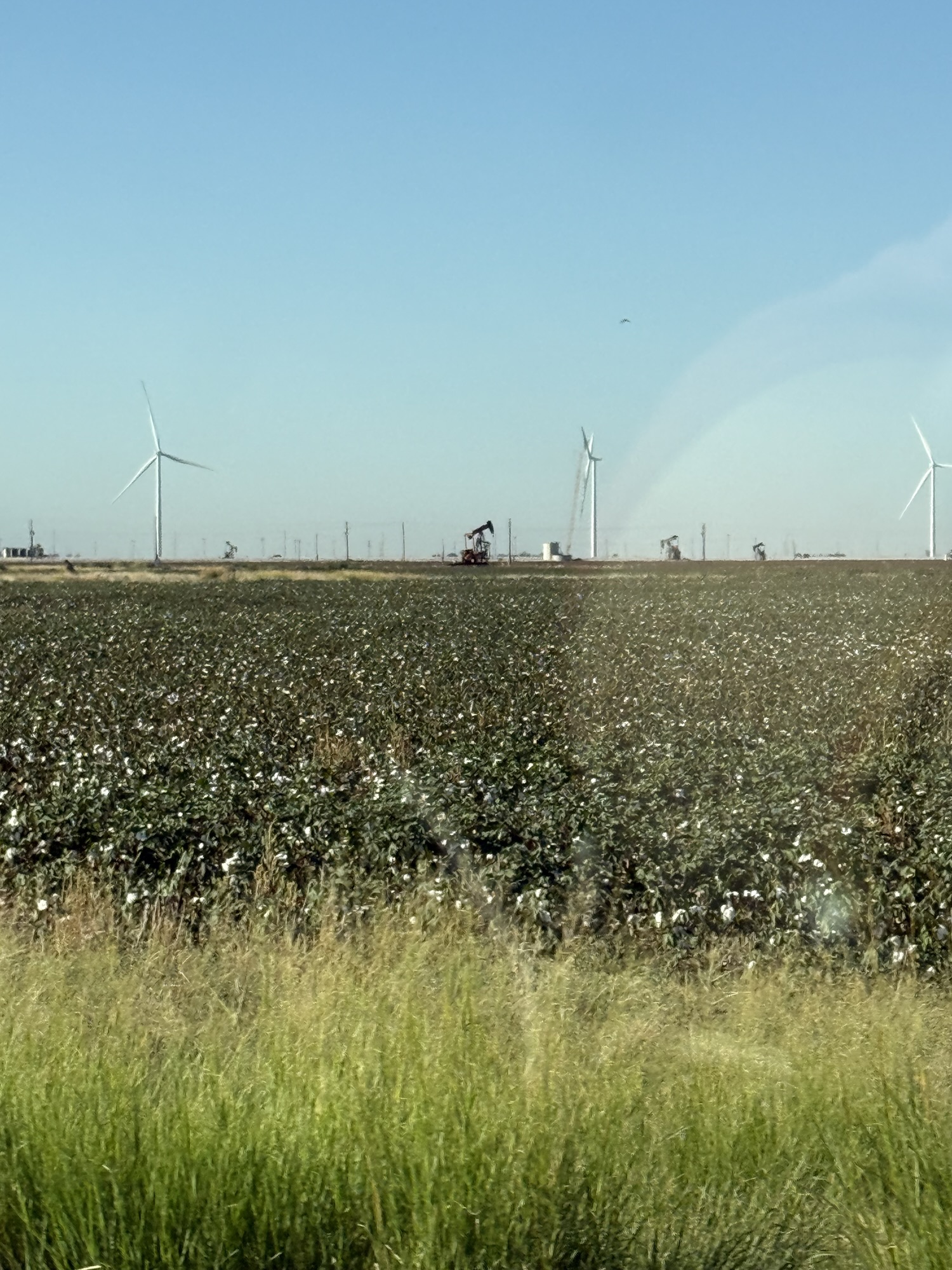
It was interesting to see oil pump-jacks occupying the same space as windmills – two very different energy sources.
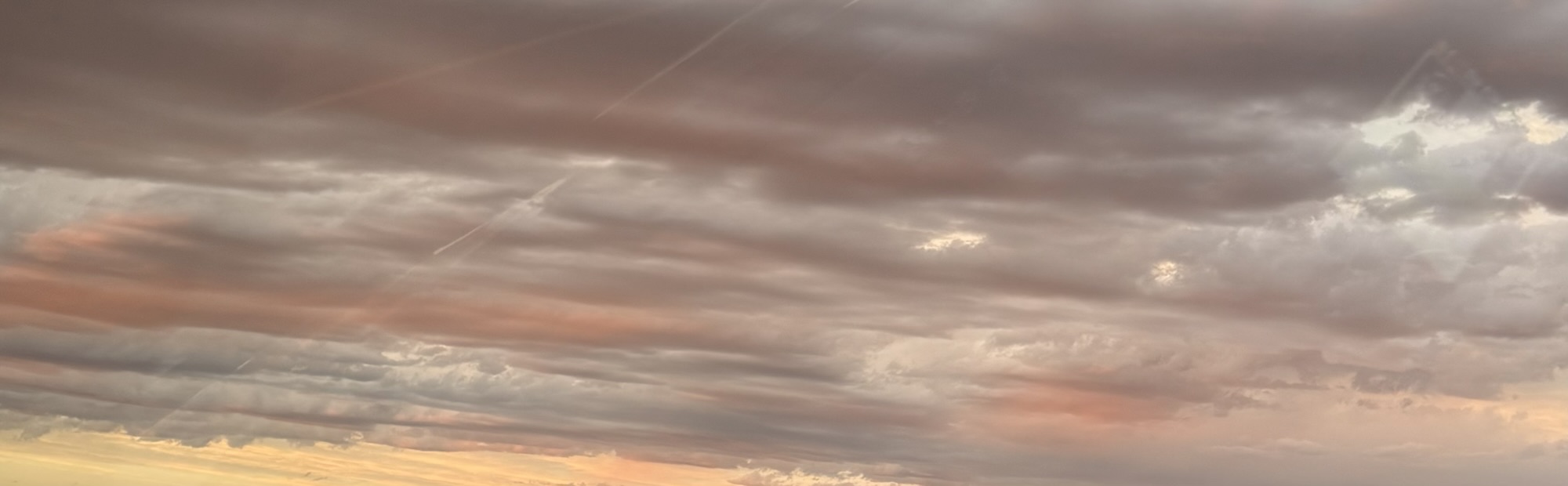
Sunset was amazing! It did not photograph well from the fast-moving vantage point of my window – there is much more subtlety here – a bluish cast to sun rays, many more variations of pink and yellow, the wide spread of it pver the plains.
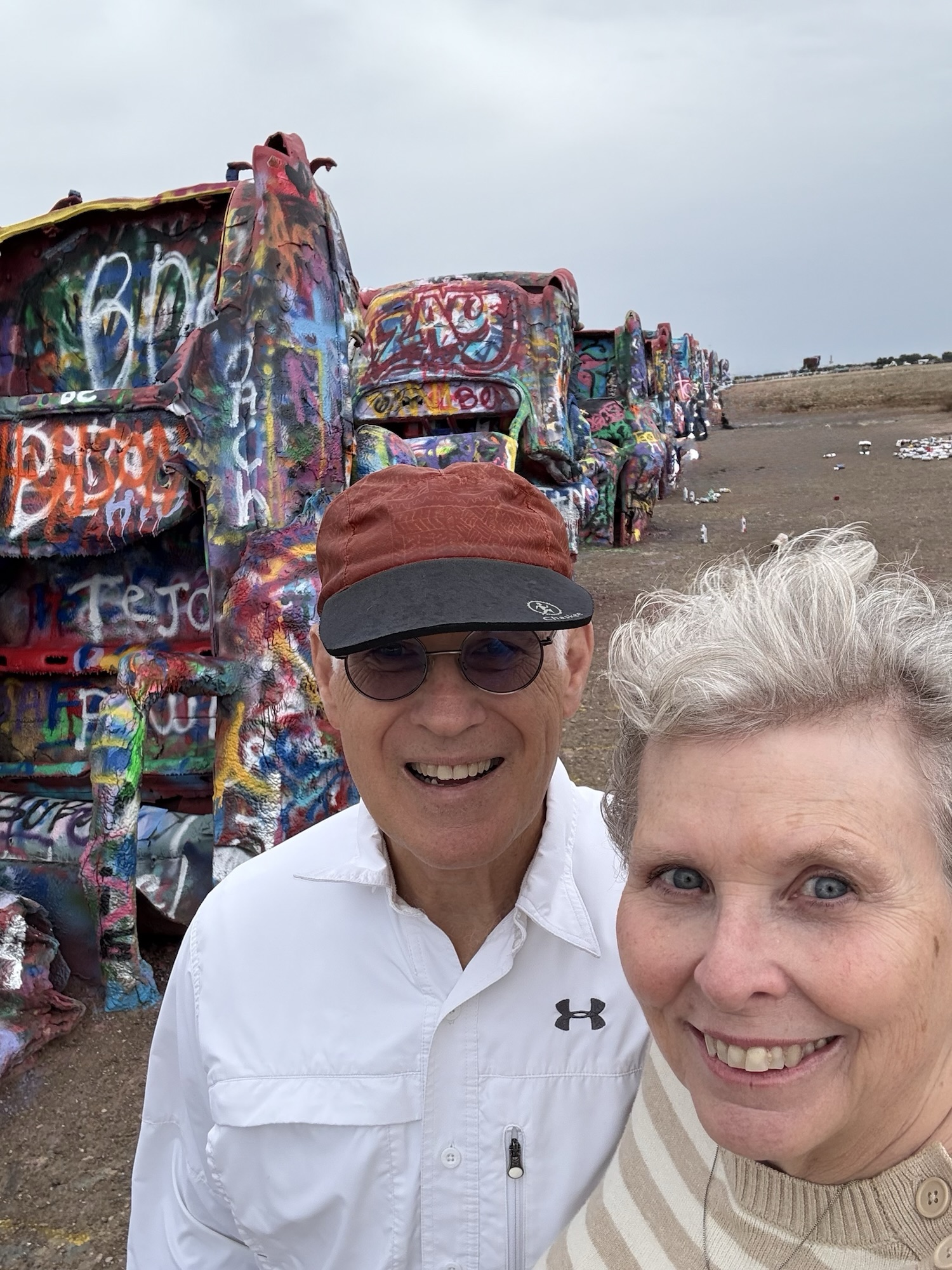
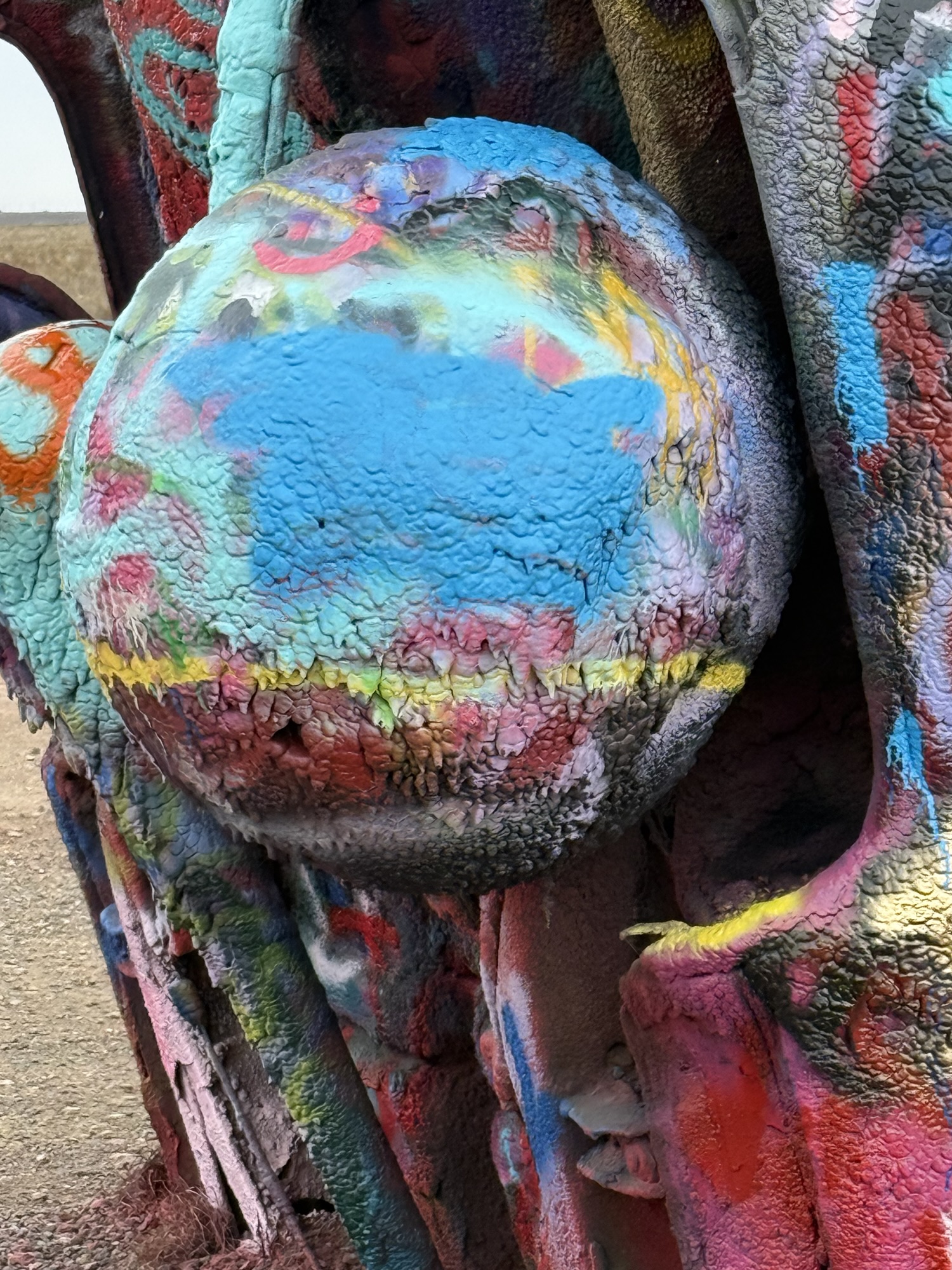
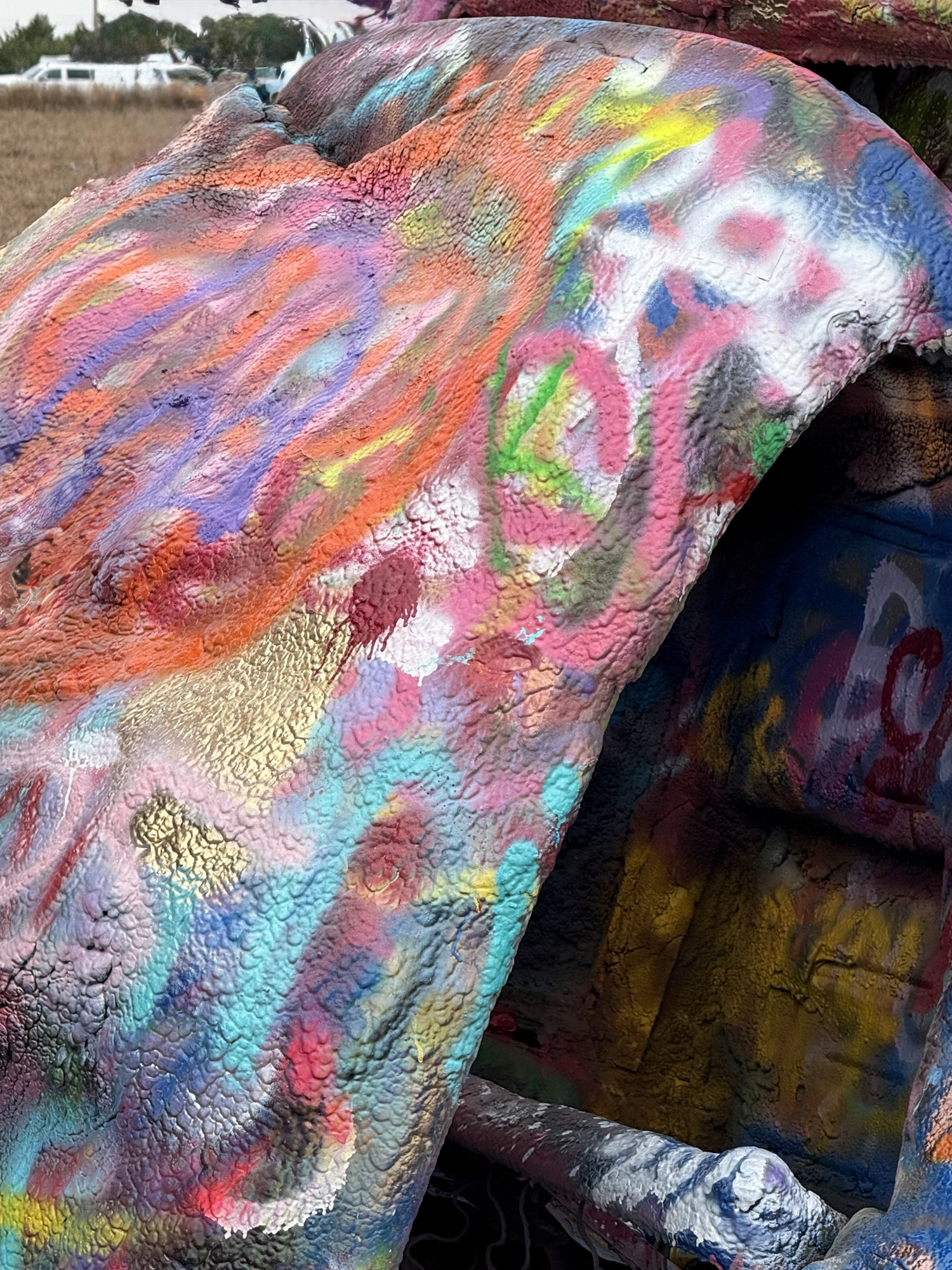
We stopped at Cadillac Ranch – an art installation from the ’70’s along I-40 outside Amarillo. 10 cadillacs arranged by tailfin progression, have been planted nose down in a row like menhirs. They quickly invited graffiti which somehow has turned into a “thing” – people stop here not just to see the cars, but to paint them. Over the years the layers have evolved into geological formations of flowstone and stalactite. It is fascinating.
Moving past Amarillo and the Texas Plains in to New Mexico, the land begins a gradual tilt upwards. Cinder cones and eroded volcanic slopes, remnants of the volcanic past of this region, appear. Antelope graze or bound along, clearing barb-wire fencing with ease. A purplish smudge appears on the horizon, resolving into the section of the Sangre de Cristo mountains that straddle Northern New Mexico and Southern Colorado. After a day and a half of mostly flat driving we turn to the North and head up Raton Pass, 7,834 feet). It winds through the mountains, and we begin to see the fall colors for which we have been hoping. As quickly as we rise from Raton, we descend into Trinidad, Colorado, and then continue on our way towards Colorado Springs.
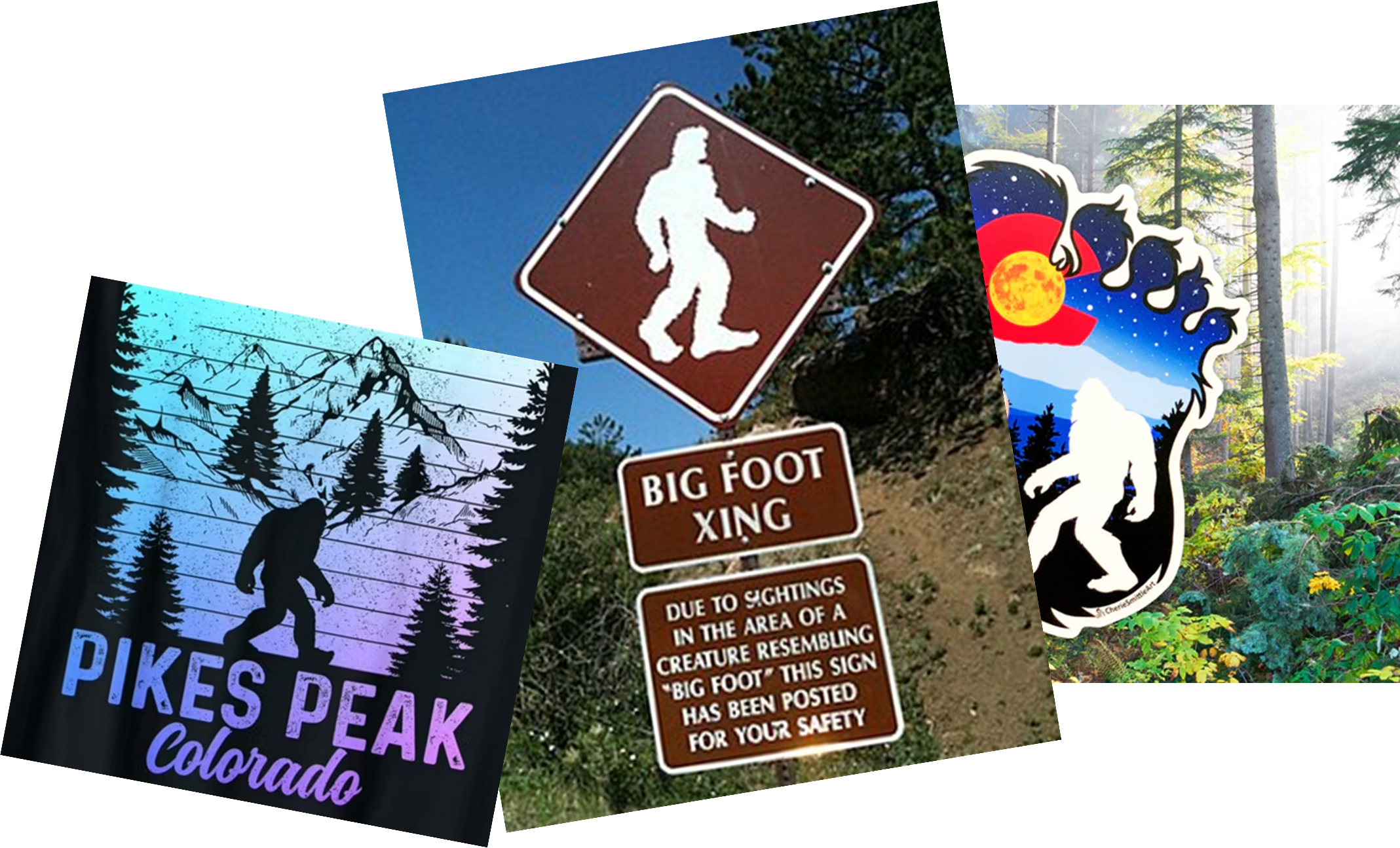
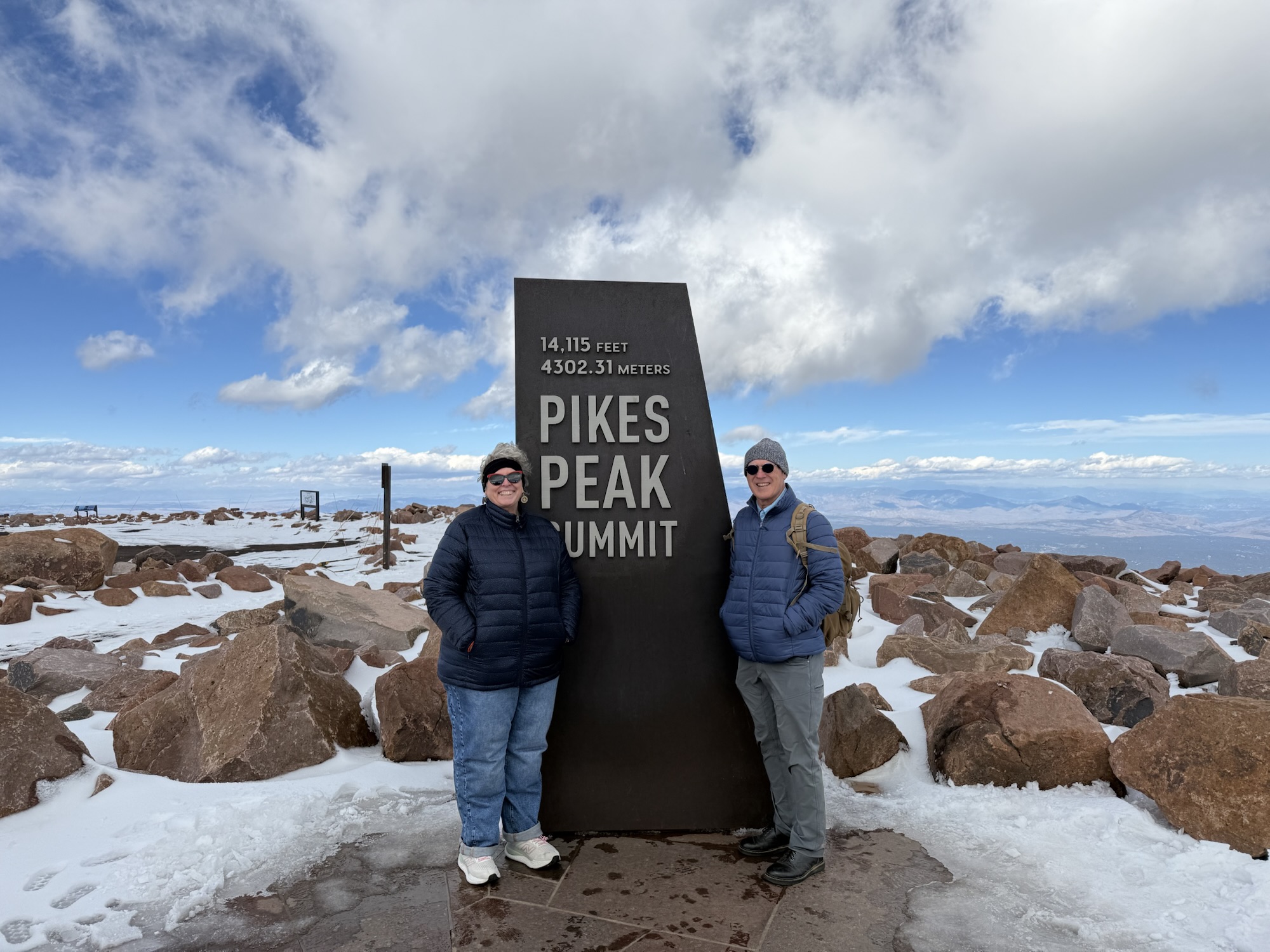
I grew up at the foot of the Rocky Mountains, and took as a matter of course the looming presence that defined the skyline to the West, juxtaposed against the Kansas plains to the East. Now that I live elsewhere, and even though I know what to expect, the sheer mass and height of the peaks catches me off-guard. The mountains are marvelous! We decided to make an excursion to the top of Pikes Peak, 14, 115 feet. When I was younger the official height was 14,110 feet, but was changed as geologic surveying became more precise. Also, there was no “Sasquatch” here – we knew he belonged to the Pacific Northwest. Perhaps he has migrated, as there is Sasquatch stuff everywhere… even a sign on the Pikes Peak Highway!
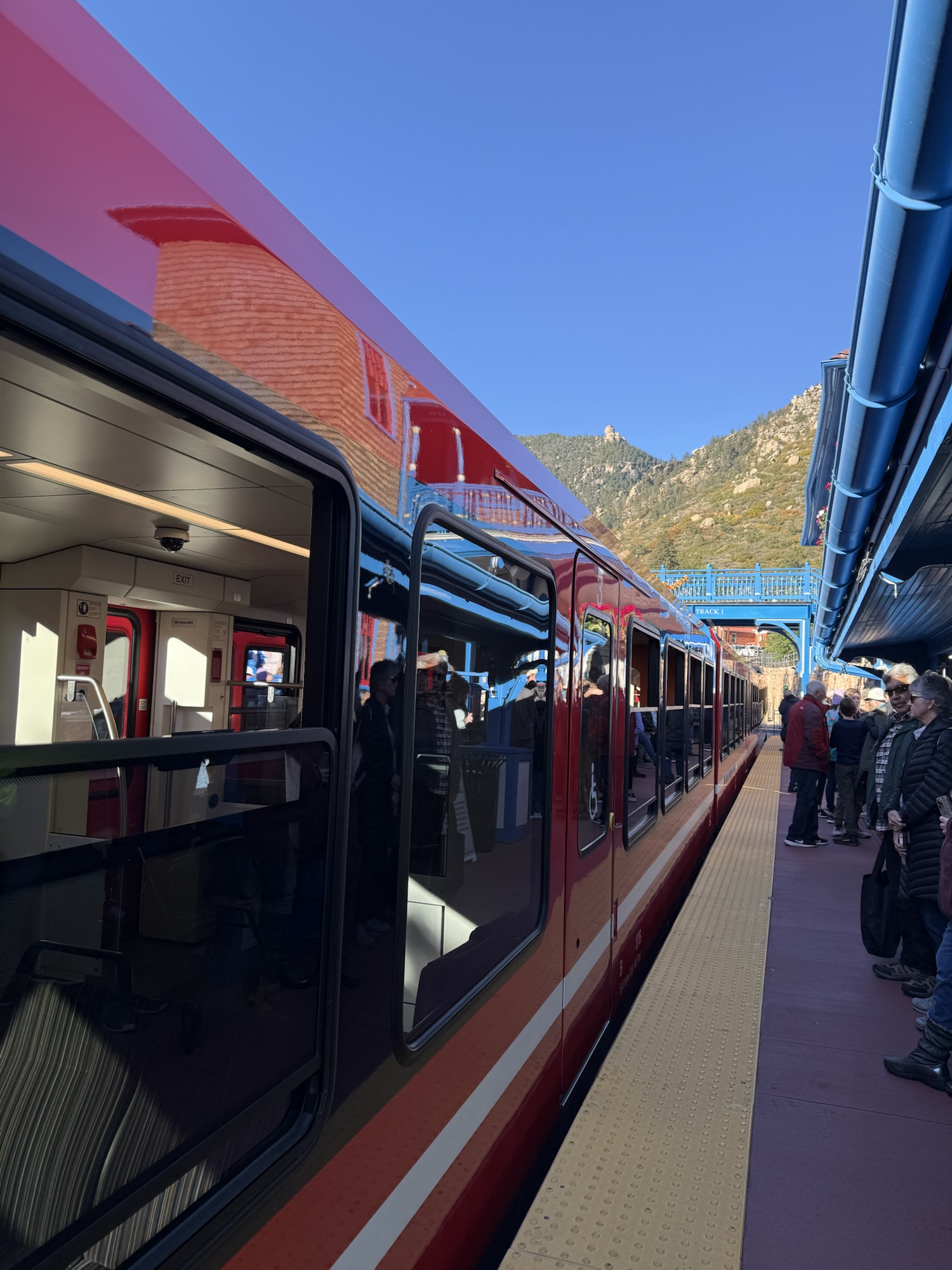
We sprang for tickets on the Manitou and Pikes Peak cog railway. Quite a fun trip and lots of time to take in the scenery, wonder about the technology that has been in place for this railway since 1891, and take notes for future writing – quick notes in my pocket journal because I didn’t want to miss the spectacular views!